
Our build system has been through an independent whole-life carbon assessment. The headline is a 90% reduction in embodied carbon against a conventional build. The detail is available to any client who asks for it.
Against a conventionally built equivalent, per the independent life-cycle assessment of our build system.
Whole-life carbon assessed and certified by MetSims, an independent sustainability consultancy.
Every piece of timber in the frame is FSC certified. Carbon stored for the life of the building, in place of steel and concrete.
Environmental management certified and audited, with the evidence held in one business management system.
Councils have declared climate emergencies. Homes England, framework operators and lenders ask for whole-life carbon numbers at tender, not at handover. Schools and universities report Scope 3 emissions. A low-carbon building is now a scoring criterion.
Timber-framed volumetric manufacture answers that directly. Timber stores carbon; a factory uses materials to the millimetre; and a building that arrives substantially complete generates a fraction of the site emissions, waste and deliveries of a traditional build.
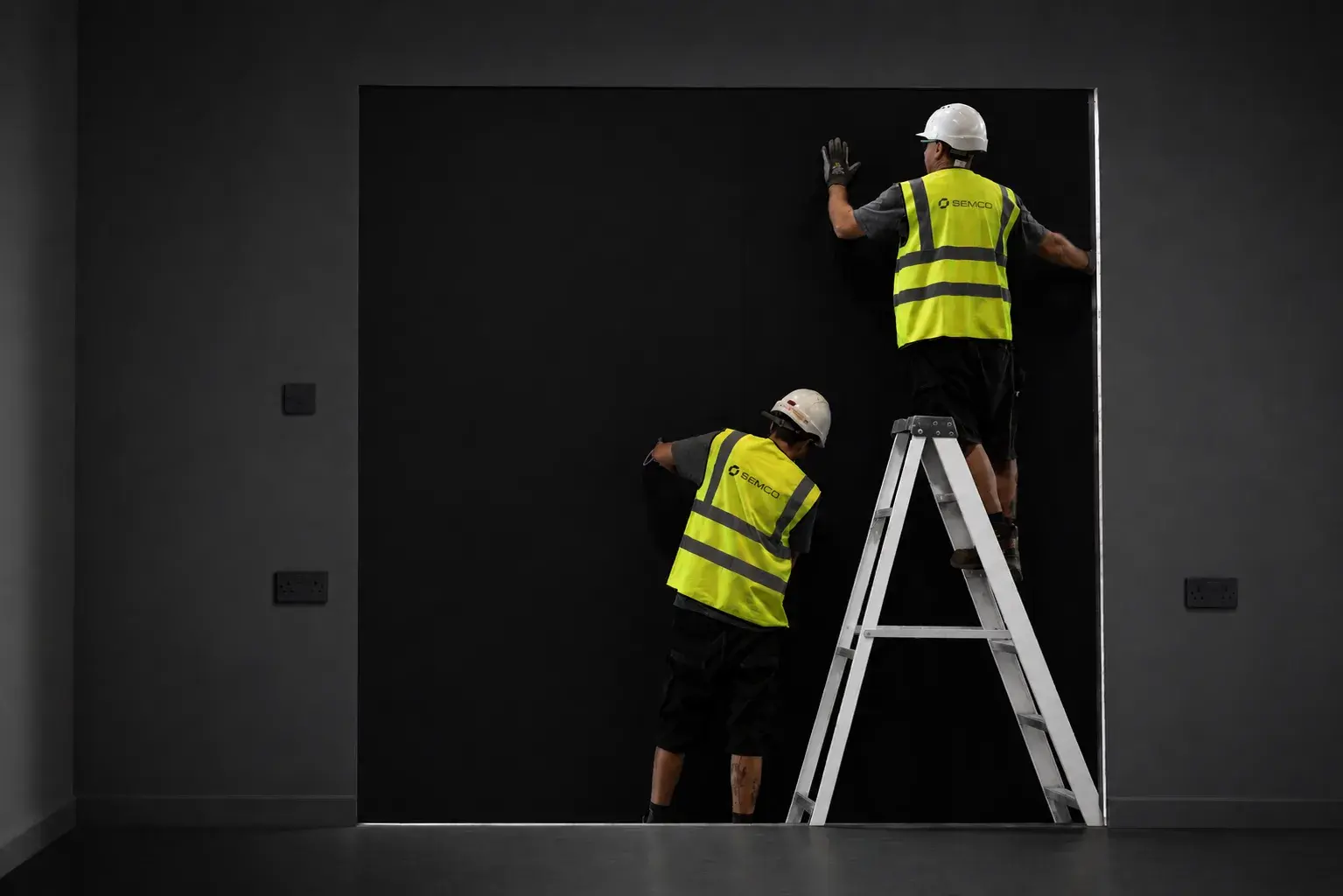

Our modules are built on an engineered timber frame, and all of the timber is FSC certified. Timber sequesters carbon for the life of the building and replaces the steel and concrete that drive most of a conventional build’s embodied emissions.
Materials are chosen for durability and recyclability as well as first cost. Every supplier’s environmental standards are monitored through our approved supply chain system, and the specification sits in a single central build system, so every project starts from the same assessed baseline.
Repeatable processes and digital design mean materials are cut to order and off-cuts are segregated and recycled. Waste on a factory floor is measured in skips per year, not per week.
Building indoors removes weather delays, protects materials from damage and allows airtightness and insulation to be installed and inspected properly, every time.
Completed modules arrive on a planned schedule and are installed in days. Compared with a traditional programme, that means fewer vehicle movements, less plant and a shorter period of disturbance for neighbours.
Lighter structures need lighter foundations, which means less concrete and less excavated spoil.
Fabric-first design, high insulation values and airtight construction reduce heating demand. Air-source heat pumps, MVHR and PV can be specified from the outset, with the module designed to carry them.
A volumetric building can be relocated. For meanwhile housing and temporary education accommodation, the asset is reused rather than demolished — the lowest-carbon outcome of all.
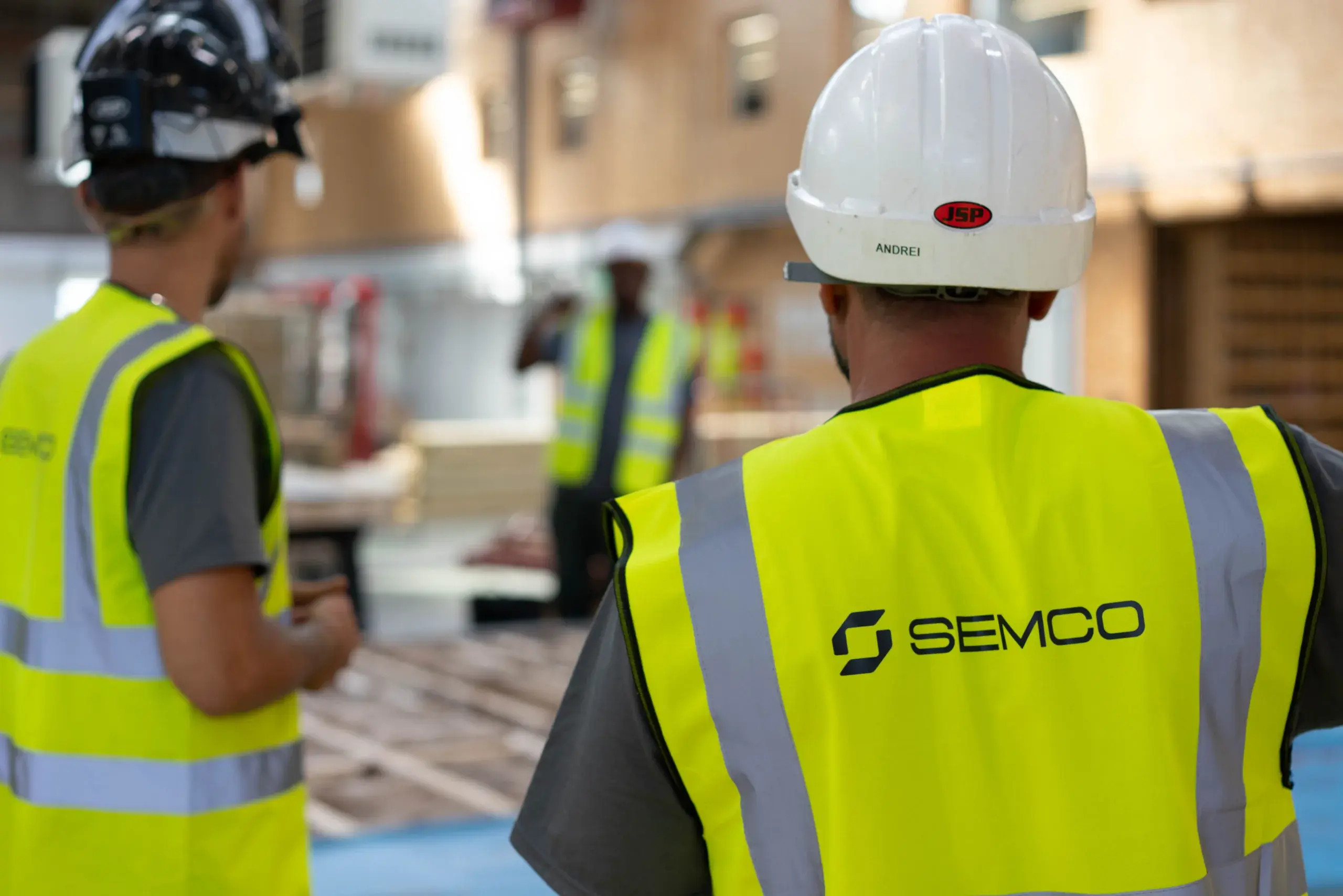
SEMCO was established to meet the growing demand for faster, smarter and more sustainable construction, ...

SEMCO is BOPAS approved, ISO 9001 and ISO 14001 certified, and Cyber Essentials certified, with ISO 45001 and ...
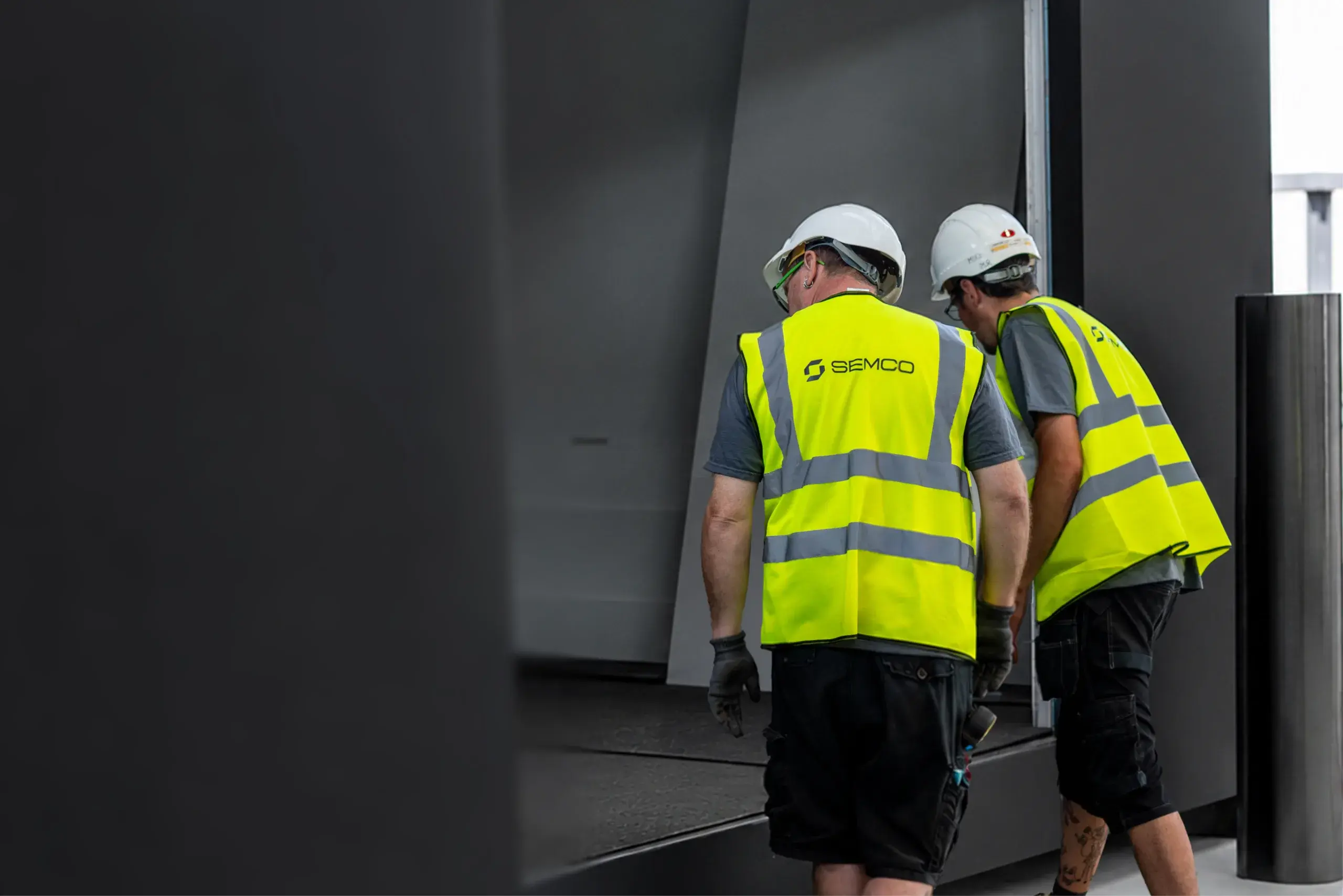
SEMCO has been appointed an approved supplier on the Everything Estates framework, operated by Place Group ...
Ask for the LCA summary, or come to Newhaven and see how a lower-carbon building is made.